Recent Blogs





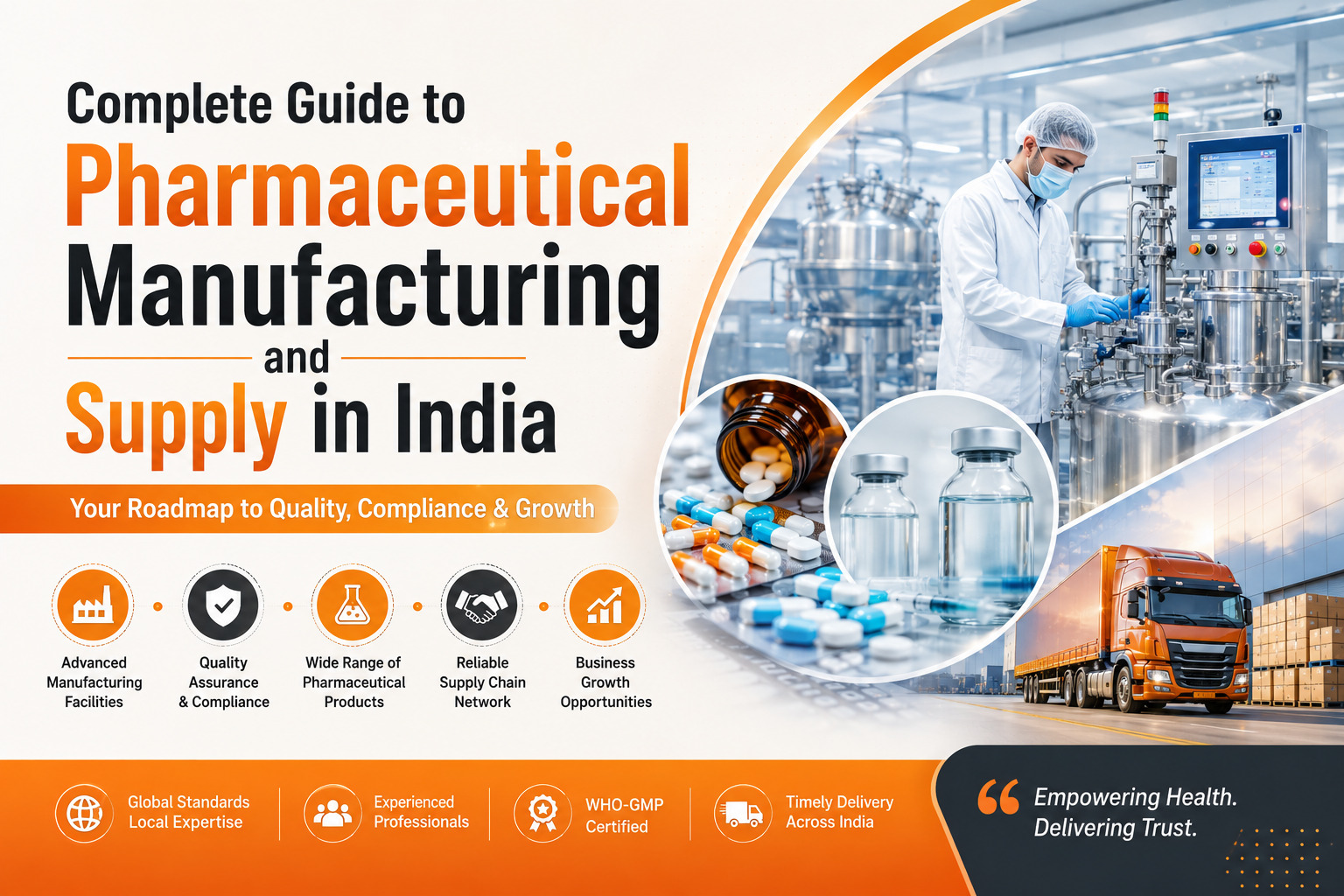
India has earned a global reputation as one of the largest pharmaceutical manufacturing hubs in the world. Known as the "Pharmacy of the World," the country supplies affordable, high-quality medicines to millions of people across domestic and international markets. With a strong manufacturing infrastructure, skilled workforce, and strict quality standards, India's pharmaceutical industry continues to play a vital role in global healthcare.
For distributors, wholesalers, hospitals, healthcare providers, and business partners, understanding the pharmaceutical manufacturing and supply process is essential for choosing a reliable pharma company. This guide explores how medicines are manufactured, the importance of quality control, the pharmaceutical supply chain, and how OM Biotec supports bulk and B2B pharmaceutical supply across India.
Understanding Pharmaceutical Manufacturing in India
Pharmaceutical manufacturing is a highly regulated and scientifically driven process designed to ensure that medicines are safe, effective, and consistent. Every stage of production follows strict quality guidelines and industry standards.
1. Raw Material Procurement
The manufacturing journey begins with sourcing high-quality Active Pharmaceutical Ingredients (APIs) and excipients from approved and verified suppliers. The quality of raw materials directly impacts the safety and effectiveness of the final product.
Before materials enter production, they undergo inspection and testing to ensure they meet required specifications.
2. Formulation Development
Once raw materials are approved, pharmaceutical experts develop formulations based on therapeutic requirements. This stage determines the composition, dosage, stability, and effectiveness of the medicine.
Different formulations include:
- Tablets
- Capsules
- Syrups
- Suspensions
- Injections
- Creams and Ointments
- Nutritional Supplements
The goal is to create products that deliver accurate dosage while maintaining patient safety and convenience.
3. Manufacturing and Production
The production process varies depending on the type of pharmaceutical product being manufactured.
Common manufacturing activities include:
- Mixing and blending ingredients
- Granulation processes
- Tablet compression
- Capsule filling
- Liquid preparation and filling
- Sterile production for injectables
- Product inspection and monitoring
Advanced machinery and trained professionals help ensure precision at every stage of production.
4. Packaging and Labeling
Packaging is an essential component of pharmaceutical manufacturing. It protects products from contamination, moisture, and environmental damage while maintaining shelf life.
Proper labeling ensures that healthcare professionals and patients receive accurate information regarding dosage, usage instructions, manufacturing details, and expiry dates.
OM Biotec follows industry-approved manufacturing practices and packaging standards to deliver reliable pharmaceutical products to its customers.
Importance of Quality Testing and Regulatory Compliance
Quality assurance is the backbone of the pharmaceutical industry. Medicines directly affect patient health, making strict quality control procedures essential.
Why Quality Testing Matters
Quality testing helps:
- Ensure patient safety
- Verify product effectiveness
- Confirm correct dosage and composition
- Detect contamination risks
- Maintain product consistency
- Build customer confidence
Each pharmaceutical batch undergoes multiple inspections before reaching the market.
Key Quality Control Measures
Pharmaceutical companies perform several tests, including:
Batch Testing
Every production batch is tested to ensure it meets predefined quality standards.
Stability Testing
Products are evaluated under different environmental conditions to determine shelf life and storage requirements.
Packaging Verification
Packaging materials and labels are inspected to prevent errors and maintain compliance.
Documentation and Traceability
Accurate records are maintained throughout the manufacturing process, ensuring complete product traceability.
As an ISO 9001:2015 certified pharmaceutical company, OM Biotec follows rigorous quality management systems and compliance procedures to ensure consistent product quality and safety.
Pharmaceutical Supply Chain and Distribution Process
A strong supply chain is critical for ensuring medicines reach patients on time. The pharmaceutical distribution network connects manufacturers with healthcare providers, distributors, pharmacies, hospitals, and export markets.
Typical Pharmaceutical Supply Chain
The supply chain generally follows this structure:
Manufacturing Unit → Warehouse → Distributor/Wholesaler → Pharmacy/Hospital → Patient
Each stage requires careful planning and coordination to maintain product quality and availability.
Essential Elements of Pharma Distribution
Proper Storage Conditions
Many pharmaceutical products require controlled temperature and storage conditions to preserve their effectiveness.
Timely Dispatch
Fast and organized dispatch systems help prevent stock shortages and supply disruptions.
Safe Transportation
Products must be transported under secure conditions to avoid damage during transit.
Accurate Documentation
Proper documentation ensures regulatory compliance and smooth inventory management.
An efficient supply chain strengthens business operations while ensuring uninterrupted medicine availability.
Importance of Bulk and B2B Pharmaceutical Supply
Bulk pharmaceutical supply plays a significant role in supporting India's healthcare infrastructure. Distributors, hospitals, government institutions, and healthcare organizations often require large quantities of medicines on a regular basis.
Benefits of Bulk Pharmaceutical Supply
Cost Efficiency
Bulk procurement often helps businesses optimize costs and improve profitability.
Consistent Product Availability
Reliable bulk supply ensures continuous access to essential medicines.
Scalability
Businesses can easily increase order volumes as market demand grows.
Long-Term Partnerships
Working with a dependable pharmaceutical company creates stability and supports sustainable growth.
Companies that can consistently fulfill bulk requirements while maintaining quality standards are highly valued in the pharmaceutical sector.
Why Businesses Trust OM Biotec
OM Biotec is dedicated to supporting distributors, wholesalers, healthcare providers, and business partners with dependable pharmaceutical manufacturing and supply solutions.
Key Strengths of OM Biotec
✔ ISO 9001:2015 Certified Quality Standards
✔ Wide Range of Pharmaceutical Products
✔ Reliable Bulk and B2B Supply Support
✔ Strong Focus on Product Safety and Compliance
✔ Transparent Communication and Documentation
✔ Efficient Distribution Network
✔ Timely Delivery Across Markets
By combining quality manufacturing practices with reliable supply chain management, OM Biotec continues to build long-term partnerships with healthcare businesses across India.
Conclusion
India's pharmaceutical industry has become a global leader through its advanced manufacturing capabilities, strict quality standards, and efficient distribution systems. Understanding how pharmaceutical products are manufactured and supplied helps businesses make informed decisions when selecting a pharma partner. A reliable pharmaceutical company should offer quality products, regulatory compliance, dependable supply chains, and strong business support. OM Biotec fulfills these essential requirements, making it a trusted partner for pharmaceutical manufacturing, bulk supply, and B2B healthcare solutions.
Frequently Asked Questions (FAQs)
1. Why is India known as the Pharmacy of the World?
India is one of the largest producers of generic medicines and supplies affordable pharmaceutical products to countries around the world.
2. What are the main stages of pharmaceutical manufacturing?
The key stages include raw material sourcing, formulation development, production, quality testing, packaging, and distribution.
3. Why is quality testing important in pharmaceutical manufacturing?
Quality testing ensures medicines are safe, effective, free from contamination, and meet regulatory standards.
4. What is the role of a pharmaceutical supply chain?
The supply chain helps transport medicines from manufacturing facilities to distributors, hospitals, pharmacies, and patients efficiently.
5. What are the benefits of bulk pharmaceutical supply?
Bulk supply provides cost savings, reliable product availability, scalable ordering options, and stronger business partnerships.
6. What certifications should a pharmaceutical company have?
Companies should ideally maintain certifications such as ISO 9001:2015 and follow recognized quality management systems.
7. How does OM Biotec support B2B pharmaceutical businesses?
OM Biotec offers bulk supply solutions, quality pharmaceutical products, timely deliveries, and professional business support.
8. Why should businesses choose OM Biotec?
OM Biotec combines quality assurance, regulatory compliance, reliable distribution, and customer-focused services, making it a trusted pharmaceutical partner in India.